
Most people think of insoles as a comfort feature-something you replace when the factory insert wears flat. In cold-weather boots, insoles do far more than cushion your foot. They're a functional layer in the insulation system, and swapping or adjusting them changes how the boot performs in measurable ways.
The insole sits between your foot and the bottom of the boot-directly above the outsole, which is in contact with frozen ground. That position makes it one of the most consequential layers for both warmth and fit. And unlike most other boot components, it's the one you can actually change.
The Insole as Insulation Layer
Heat leaves your foot downward through conduction-directly into the outsole and the ground beneath it. This is especially significant during stationary use, when both feet are in continuous contact with a frozen surface. (We cover this in detail in Standing Still vs. Moving: What Changes Inside Your Boots.)
The insole is your primary barrier against that downward heat loss. A thin, compressed, or worn-out insole lets heat pass through it more easily. A thicker, insulating insole slows that transfer and keeps more warmth near your foot.
This is why two people wearing the same boot can have different thermal experiences. One is using the factory insole that came with the boot. The other swapped in a felt or wool insole with real insulating value. Same boot, same conditions-different warmth, because the insole layer is doing different work.

Material Matters: Felt, Foam, and Mesh
Not all insole materials perform the same in cold conditions.
Felt and wool. These materials trap air effectively and retain insulating properties even when slightly damp-an important characteristic given that some moisture accumulation inside the boot is inevitable during extended wear. Felt insoles tend to be the best performers for pure warmth in stationary, cold conditions.
Closed-cell foam (EVA). Standard in most boots. Provides cushioning and moderate insulation when new. But foam compresses over time, and compressed foam insulates poorly. If your boots are a season or two old and the insoles have gone flat, they're contributing less warmth than they were originally.
Synthetic mesh. Lighter, more breathable, and less insulating than felt. Mesh insoles are useful during active phases-hiking, hauling gear, physical work-where you're generating significant heat and moisture. Less insulation means less sweat buildup, which means the boot's insulation system stays drier for when you stop moving and need it most.
The tradeoff is straightforward: more insulating insole materials add warmth but can increase moisture accumulation during activity; less insulating materials reduce sweat but provide less thermal protection at rest. The ideal depends on what you're doing-and it may change throughout the day.
Fit Changes with Insole Thickness
Swapping insoles doesn't just change warmth-it changes how the boot fits.
A thicker insole takes up more volume inside the boot. If the boot was sized for a thinner insole, adding a thick felt insole can make the fit tighter. Tight fit compresses insulation around the foot, restricts blood flow, and can actually make your feet colder despite the added insulation layer. (This is one of the most common sizing mistakes in cold-weather boots-we cover it in the How to Choose Boots for Extreme Cold and Wet Conditions guide.)
A thinner insole opens up more space. This can improve circulation and allow thicker socks, but if there's too much space, the foot moves inside the boot. Movement creates friction (blisters on long days), inconsistent contact with the insole (cold spots), and less efficient insulation performance overall.
The goal is a secure fit with room for your toes to move, no pressure points, and consistent contact between your foot and the insole surface. When evaluating insoles, try them with the socks you'll actually wear in the field-not thin dress socks or bare feet.
The Case for Multiple Insoles
A single insole is a single compromise. It's either optimized for warmth or for activity-not both. And since most cold-weather days involve transitions between the two, a single insole means the boot is slightly wrong for at least part of the day.
Having access to multiple insoles-and swapping based on conditions-gives you a meaningful adjustment that most boot components don't allow. Consider it the same logic as layering clothing: you add or remove layers as activity and conditions change. Insoles let you do the same thing inside the boot.
Practical scenarios where swapping matters:
- Hike in, then sit for hours. Start with a thinner mesh insole to manage moisture during the active phase. Switch to a felt insole once you're set up and stationary. The felt insole adds warmth for the long sit, and the insulation system is drier because you managed sweat during the hike.
- Multi-day use. Alternate insoles between days, drying the previous day's insole overnight. This extends the effective life of both insoles and ensures you start each day with a dry layer against the bottom of your foot. (See Why Drying Time Matters for Multi-Day Boot Use for more on overnight reset.)
- Variable conditions. Warmer days or higher activity levels call for less insulation. Colder days or more stationary use call for more. Two insoles let you match the boot to the day without changing boots.

When to Replace Insoles
Insoles wear out faster than the rest of the boot. Compressed foam, matted felt, and worn mesh all lose their insulating and structural properties over time. If your boots feel colder than they used to in the same conditions, the insole is the first thing to check.
Signs it's time:
- The insole has gone flat and no longer springs back when pressed
- You can feel the shape of the outsole through the insole
- The insole material has hardened or become stiff
- Warmth has noticeably decreased from previous seasons with no other changes
Replacing a $15-30 insole can restore thermal performance that would otherwise require replacing the entire boot. It's one of the most cost-effective maintenance steps in cold-weather footwear.

How ThermoBoss™ Uses Insoles as a System
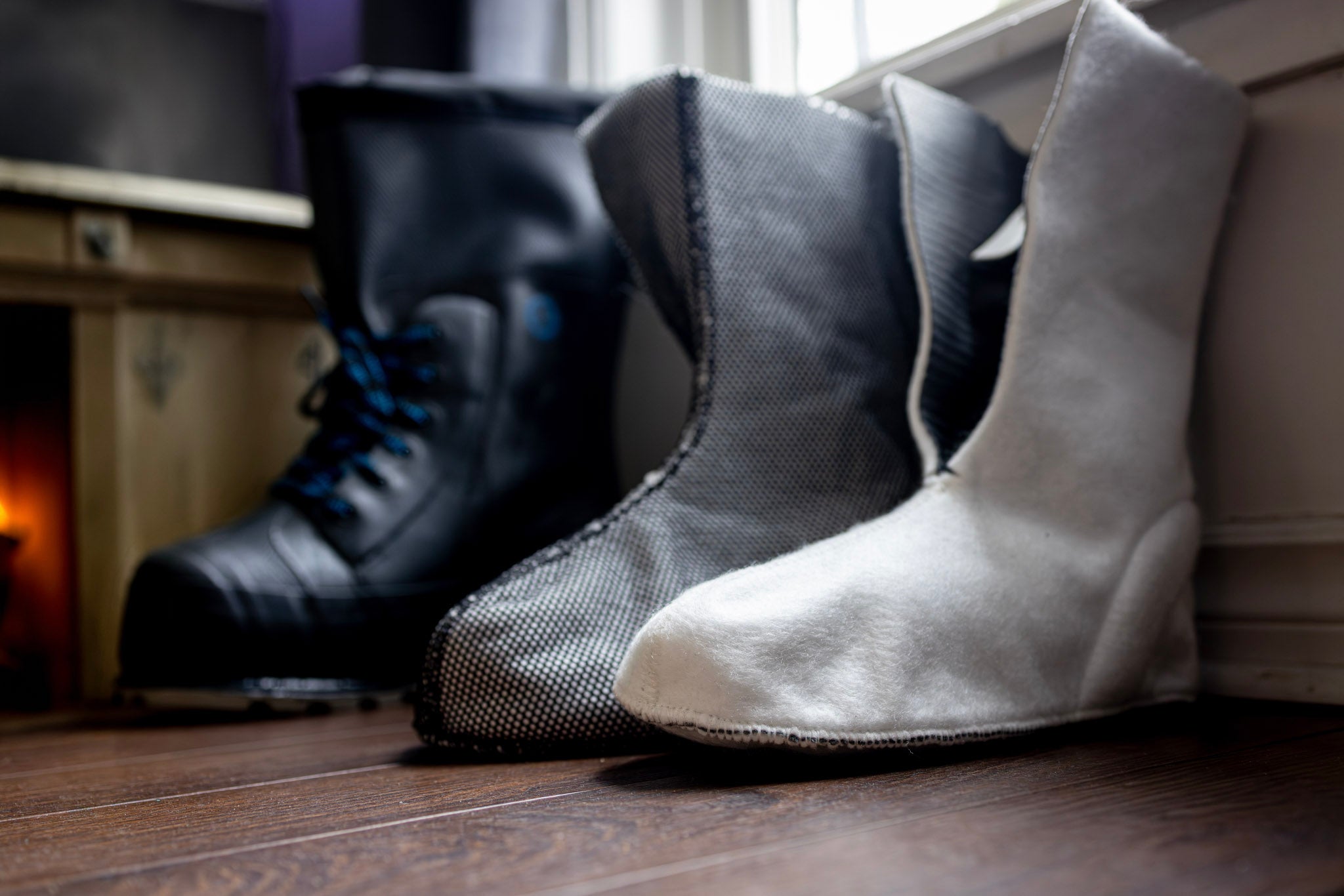
The AirBoss ThermoBoss™ Extreme Cold Weather Boot includes two removable insoles as part of the boot system-not as an afterthought or accessory, but as a designed-in feature for managing warmth and fit across different conditions.
The felt insole provides maximum insulation for stationary use in extreme cold. The synthetic mesh insole offers a lighter, more breathable option for active phases where managing moisture matters more than maximum warmth. Both are removable, which means both can be dried between uses-a detail that matters for multi-day performance.
The boot is sized to accommodate either insole (or both together in extreme conditions) with appropriate sock combinations, so swapping doesn’t compromise fit. This adjustable thermal load is one of the features that makes ThermoBoss™ a system rather than a single fixed-configuration boot.
ThermoBoss™ is built on AirBoss’s decades of experience producing extreme cold weather footwear for the U.S. military—including the Vapor Barrier Boot (Bunny Boot). The insole system reflects that heritage: designed around real-world, long-duration cold exposure, not lab conditions. It’s military-proven technology applied to a commercial boot system.
For the full care and drying routine-including insole management-see ThermoBoss™ Care and Drying Guide.