

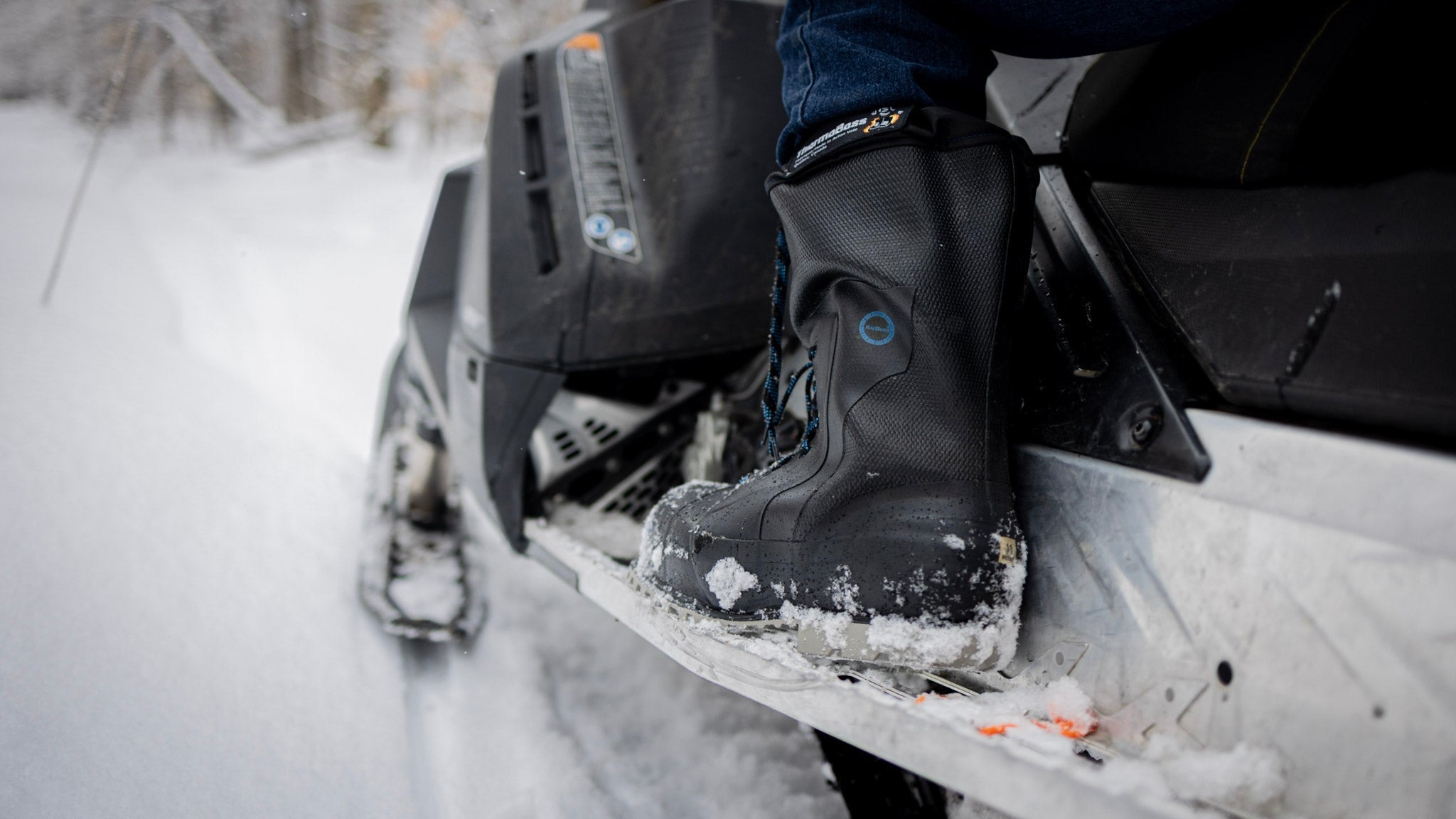
How Insoles Affect Warmth and Fit in Cold-Weather Boots
Most people think of insoles as a comfort feature-something you replace when the factory insert wears flat. In cold-weather boots, insoles do far more than cushion your foot. They're a functional l...
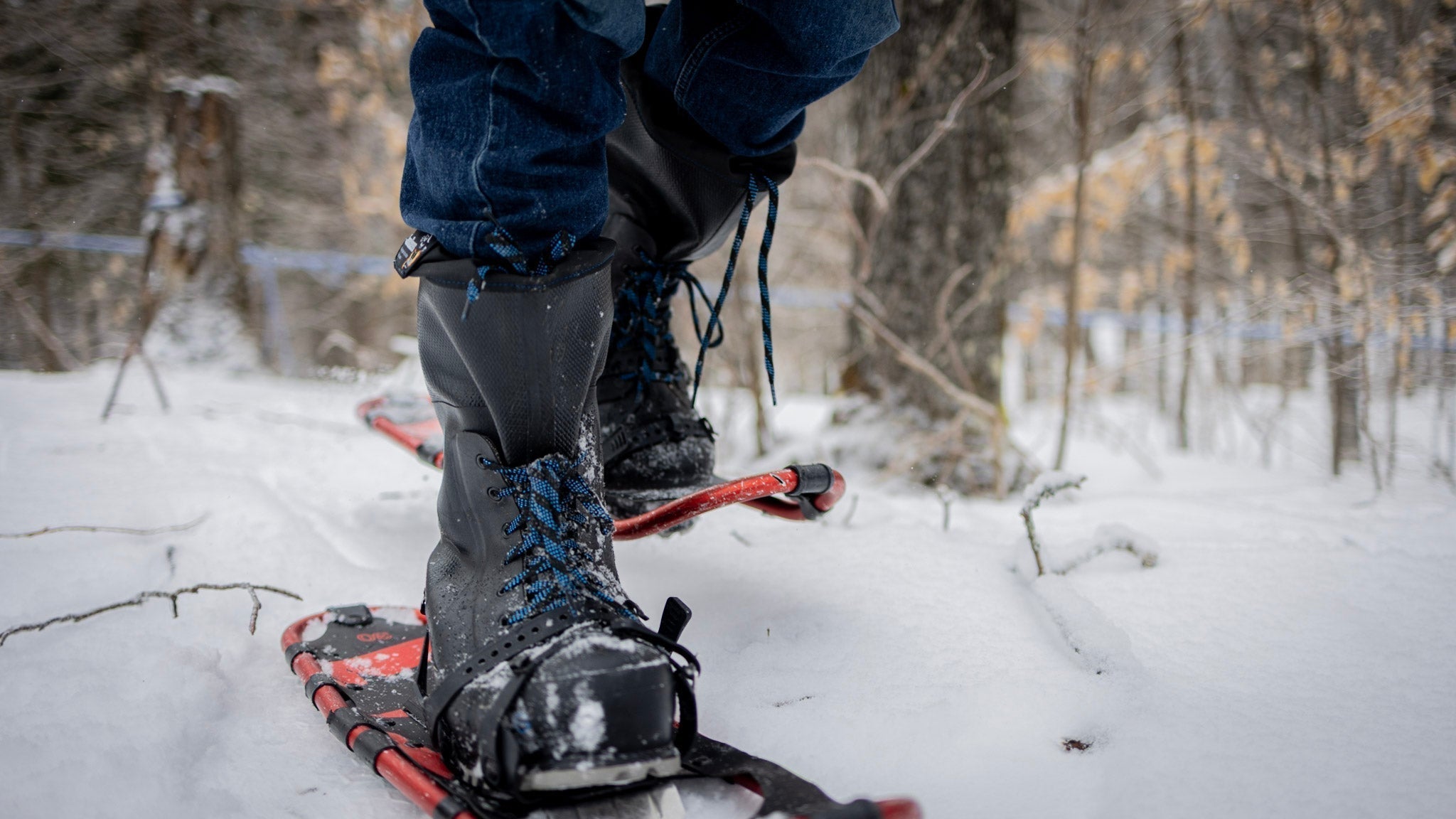
Standing Still vs. Moving: What Changes Inside Your Boots
You hiked to the ice fishing spot feeling warm. Twenty minutes after sitting down, your feet are cold. Same boots, same socks, same temperature outside. But the conditions inside the boot changed t...
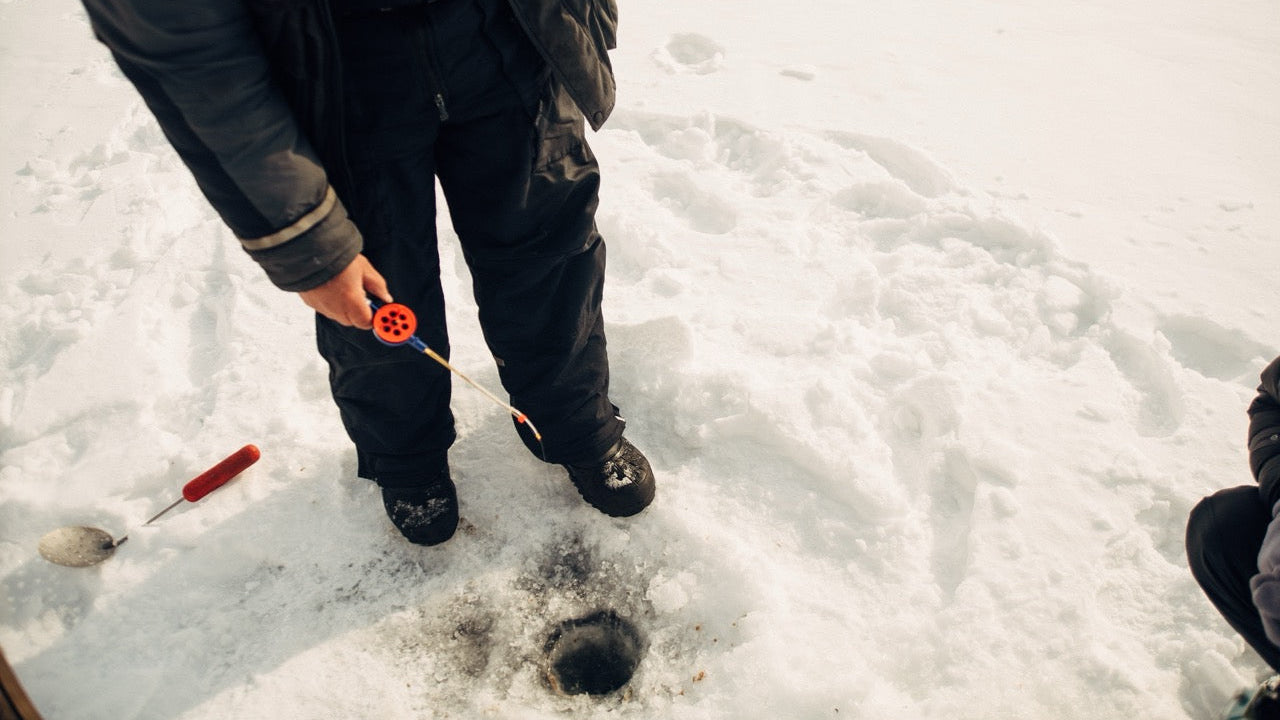
Traction on Ice and Snow: What Actually Matters
A warm boot that can't grip the surface you're standing on is a liability. And in cold-weather environments—frozen lakes, icy paths, packed snow, wet slush—traction isn't a bonus feature. It's a ba...

Why Drying Time Matters for Multi-Day Boot Use
Your boots felt fine on day one. By day two, they're noticeably colder. By day three, your feet are cold within the first hour—wearing the same boots, in the same conditions, with the same socks. T...

Why Damp Feet Get Cold—Even in Insulated Boots
You bought insulated boots. You wore wool socks. You weren't even out that long. And your feet still got cold. It's one of the most common complaints in cold-weather forums, hunting discussions, an...